
stellar award recipients - Celebrating Outstanding Women in the Avalanche Industry
The STELLARS is an organization that recognizes female-identifying avalanche professionals who have made significant contributions to the field of snow and avalanches. This program has honored women from many countries who have contributed to all aspects of our profession. With the support of the ISSW, the American Avalanche Association, and the avalanche community, the STELLARS have grown significantly - with 6 Stellar Award and 3 Stellar Travel Grant Recipients being honoured at ISSW Whistler 2026.
Stellar: a person who is outstanding, exceptionally good, or leading in their field, embodying qualities of excellence and superior performance, much like a bright star (or an intricate snow crystal).
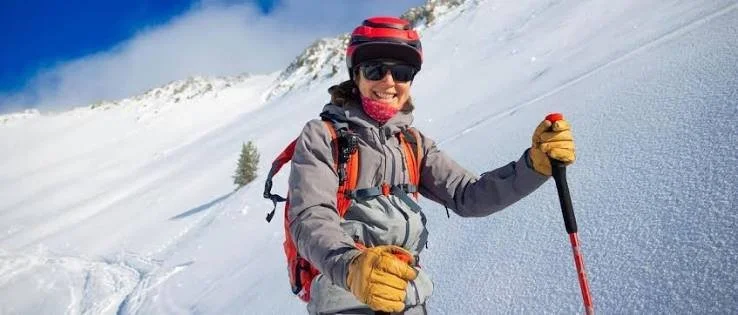
montse bacardit
Montse Bacardit has spent more than two decades at the forefront of avalanche safety in the Pyrenees, blending scientific research with operational forecasting. As an avalanche forecaster with Centre de Lauegi, the avalanche warning service of the Conselh Generau d’Aran in Spain, she helps issue public avalanche bulletins and manage avalanche safety for roads and critical infrastructure in the Val d’Aran. With a background in Biology and a PhD focused on high-mountain lake catchments, her avalanche research spans human-triggered slab avalanches, field snow-stability methods, adaptation of the Avalanche Terrain Exposure Scale to the Pyrenees, and evaluation of machine-learning forecasting models now incorporated into operational dashboards used by several European warning services. She also serves as a board member and avalanche instructor with ACNA and on the advisory board of the European Avalanche Warning Services, bringing deep expertise, education, and dedication to mountain safety.
Wren mcelroy
Wren McElroy has worked in the avalanche industry for more than 30 years, with experience spanning ski patrol, guiding, resource and mining operations, transportation, and professional education. A CAA Professional Member since 2001 and Industry Training Program instructor since 2006, she began teaching all-women’s recreational avalanche courses in the 1990s and, in 2024, co-instructed the CAA’s first all-women’s Avalanche Operations Level 1 course. Wren continues to champion greater representation, access, and belonging in the profession and is a strong advocate for mental health within the avalanche industry. She also contributes to applied research through SFU’s Snow and Avalanche Research Program (SARP) Industry Steering Committee and the Transportation Avalanche Research Pool (TARP). Wren currently serves as a Senior Avalanche Officer with the BC Ministry of Transportation and Transit and as President of the Canadian Avalanche Association.
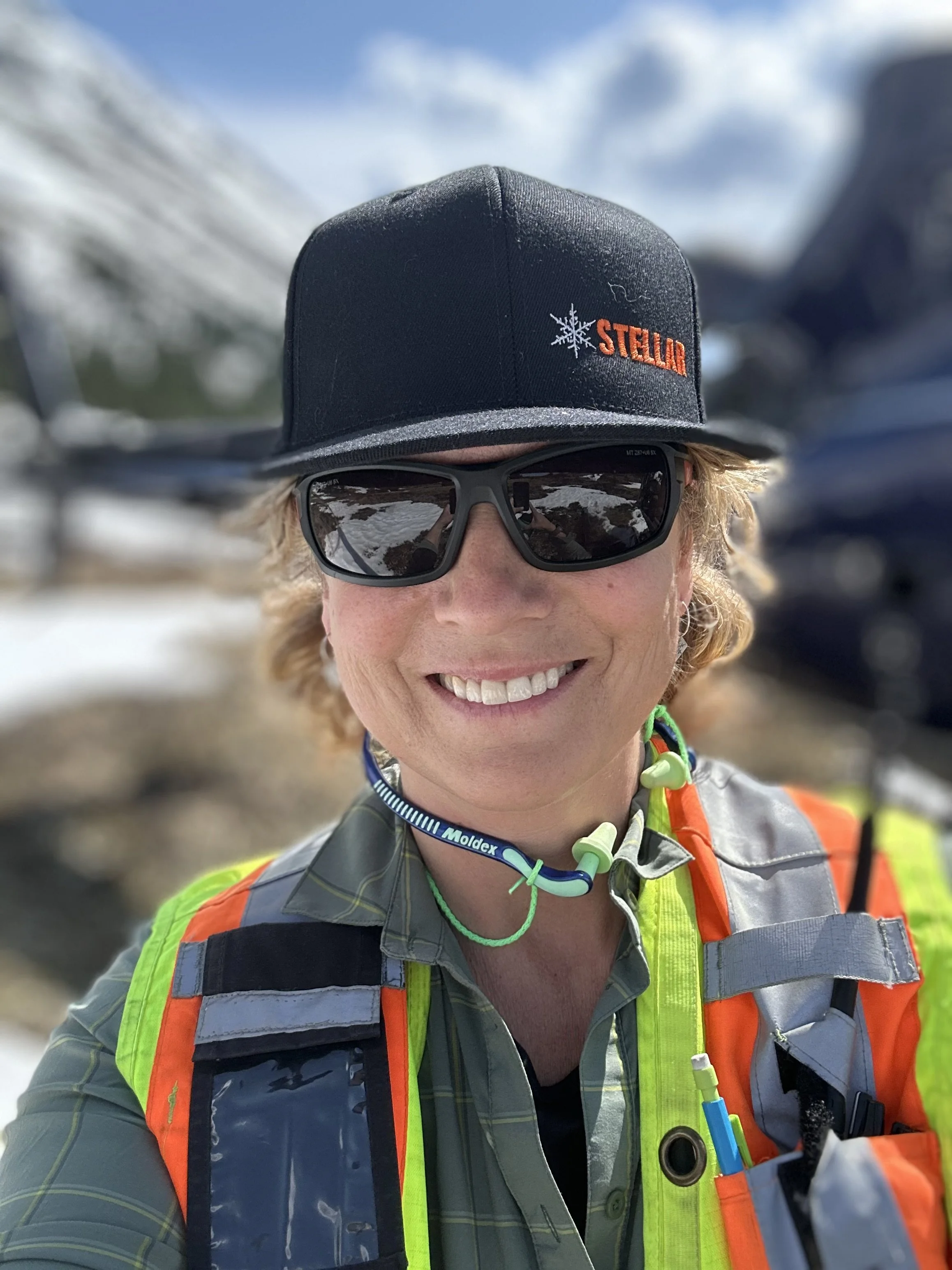
dr kelly mcneil
Dr Kelly McNeil has made transformative contributions to public avalanche safety by integrating public-health theory, social science, education, forecasting, and field practice. A professor in Eastern Oregon University’s Health and Human Performance Department, she also teaches motorized and non-motorized avalanche courses, guides with Eagle Cap Mountain Guides, forecasts for the Wallowa Avalanche Center, serves as a professional advisor for the American Institute for Avalanche Research and Education, and contributes as a member of the A3 Industry Advisory Board. Kelly’s research has advanced understanding of post-course backcountry behavior, group dynamics, avalanche forecast use, and risk-management trends, helping strengthen how the industry approaches prevention, decision-making, and public engagement. Known as a thoughtful mentor and collaborative educator, she brings rigor, generosity, and a commitment to underserved user groups to every aspect of her work.
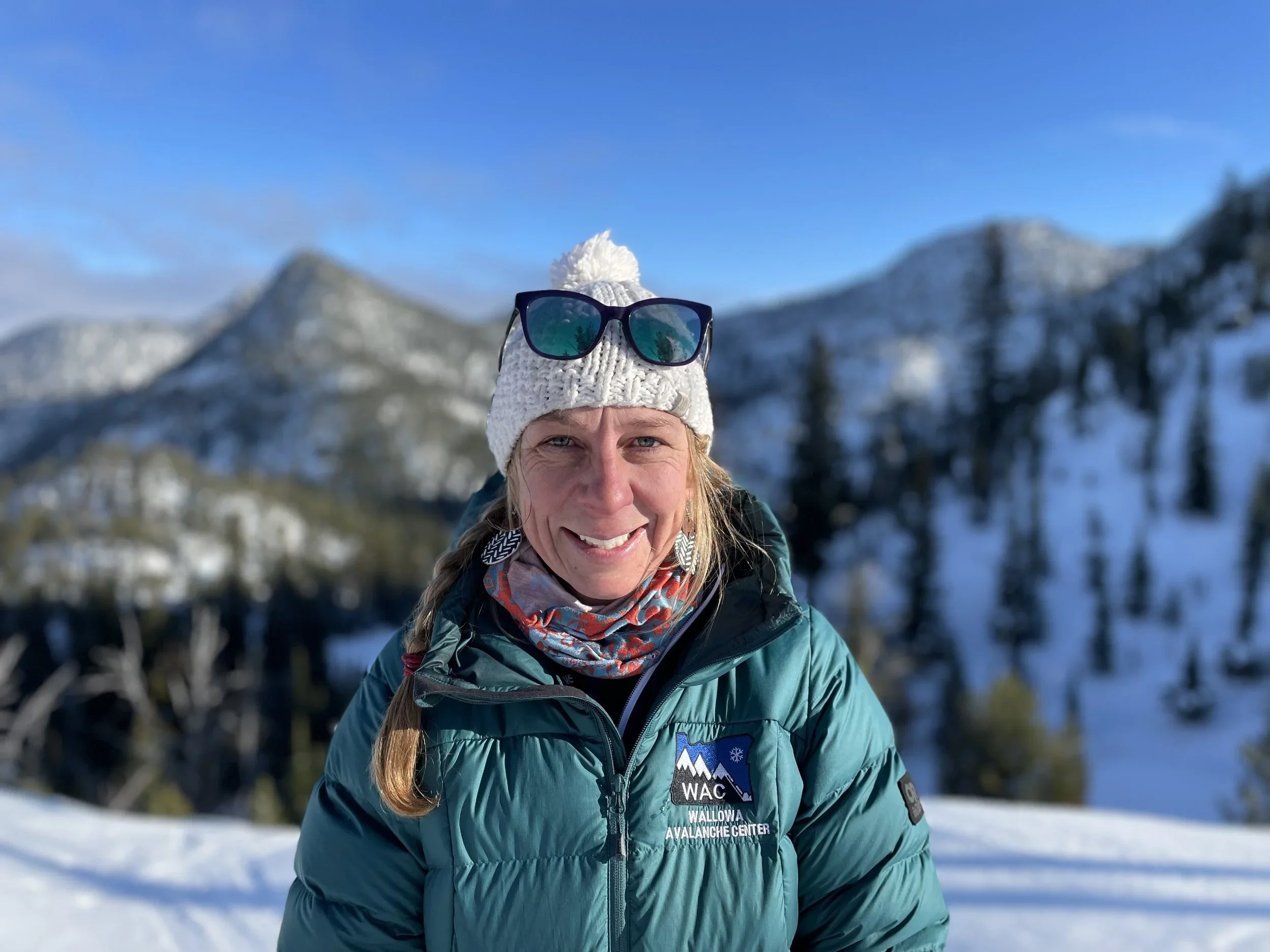
allie fredbo
Allie Fredbo brings an unusual combination of frontline avalanche experience, emergency medicine, education, and research to the professional community. A Park City Mountain patroller since 2015, she is valued for her knowledge on avalanche routes and in training new patrollers while also working as a physician assistant in critical care at the University of Utah Hospital. Allie teaches avalanche education for the Utah Avalanche Center and AAI, guides occasional shifts for Park City Powdercats, and is a professional member of A3. She also collaborated on A3-funded research examining the health effects of explosive overpressure on avalanche workers, with findings presented at ISSW 2023, published in The Avalanche Review, and advanced through subsequent presentations and follow-up work. Her contributions connect operational practice, medical expertise, and evidence-based improvements in worker safety.
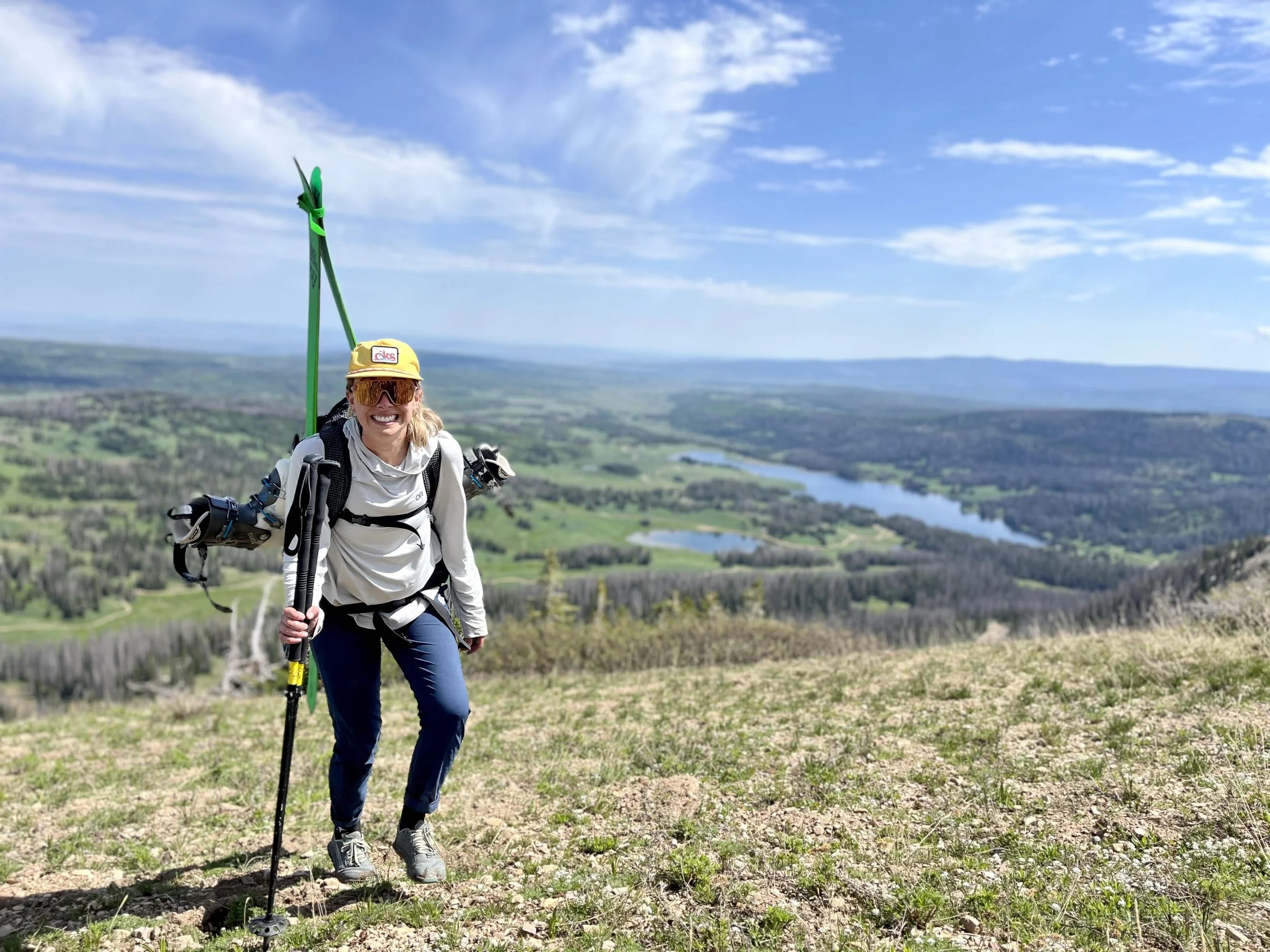
mandy geisler
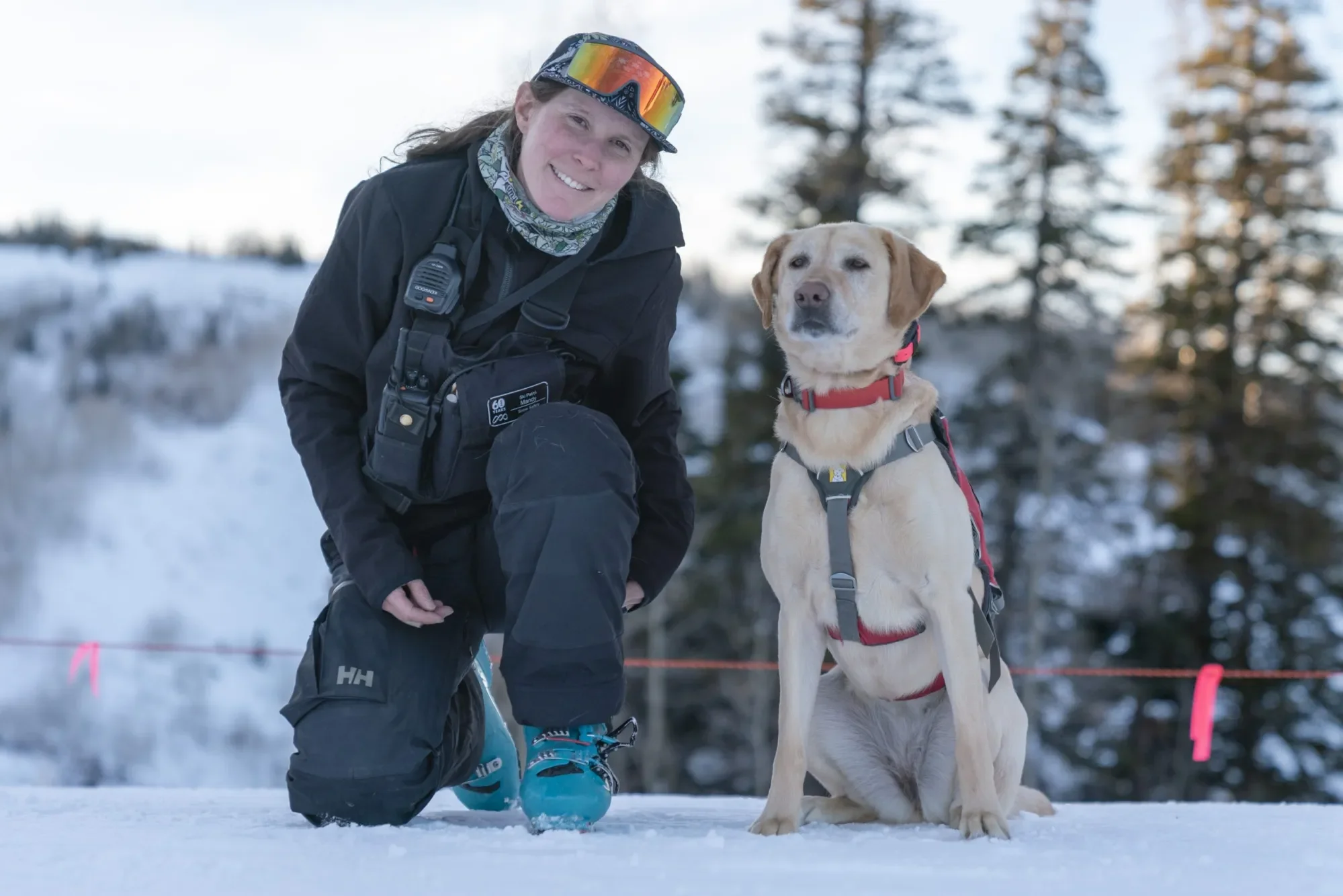
Mandy Geisler has been a ski patroller at Park City Mountain since 2008 and a key member of the resort’s Snow Safety team since 2014, contributing to avalanche training and the avalanche dog program. Alongside her dog Kiki, she is an active member of Wasatch Backcountry Rescue; in March 2025, the pair located the missing skier at the Hoyt Peak avalanche in Utah’s Uinta Mountains, helping bring closure to family and friends. Mandy has been an A3 professional member since 2016 and has presented at the local Professional Snow and Avalanche Workshop. She has also collaborated on A3-funded research into the health effects of explosive overpressure on avalanche workers, presenting findings at ISSW 2023 and continuing follow-up work aimed at improving avalanche-program safety practices. Her operational skill, rescue service, research contributions, and commitment to safer avalanche work make her an outstanding member of the professional community.
dr rachel reimer
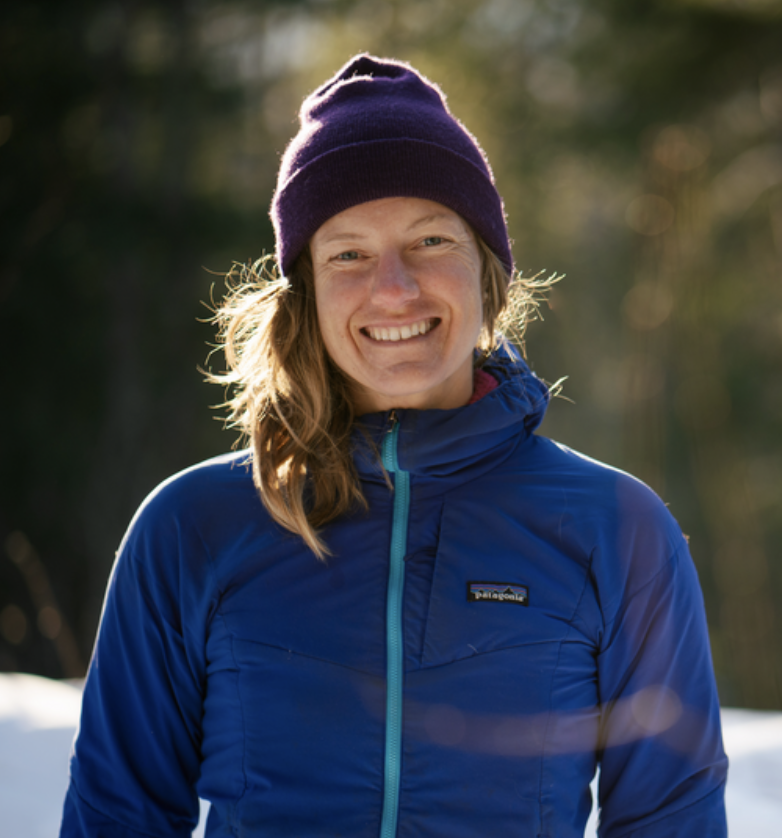
Dr Rachel Reimer is a social scientist, avalanche practitioner, and community leader whose work expands how the avalanche and mountain-guiding professions understand safety. She completed a PhD with Distinction in Human Geography at the University of Wollongong, conducting a four-country study of risk, inclusion, and psychological safety in avalanche and guiding work, and has published on workplace culture, leadership, and safety in high-risk professions. Rachel founded and leads the Open Mountains Project, a non-profit delivering inclusive backcountry programs for youth and QTBIPOC participants in Revelstoke, translating research into community action. She also holds Avalanche Operations Level 2 certification and has trained as an apprentice ski guide. Her ability to bridge rigorous research, operational experience, and grassroots leadership has made a lasting contribution to a safer and more inclusive mountain community.
stellar award travel grant recipients
andrea bruckmeier
Andrea Bruckmeier is a PhD student at Montana State University whose research focuses on improving wet slab avalanche forecasting under a changing climate. Her ISSW 2026 work uses long-term SNOWPACK simulations across Glacier National Park, Montana, and Berthoud Pass, Colorado, to examine how snow depth, basal persistent weak layers, and the timing of liquid-water infiltration have changed over four decades. By comparing elevations and contrasting avalanche climates, Andrea is building climate-informed context that can help avalanche professionals interpret current observations and improve wet slab forecasting and mitigation. The research combines snowpack modelling with field-based avalanche science and is intended to strengthen the operational relevance of forecasting as weather and snow conditions become increasingly variable.
megan cramb
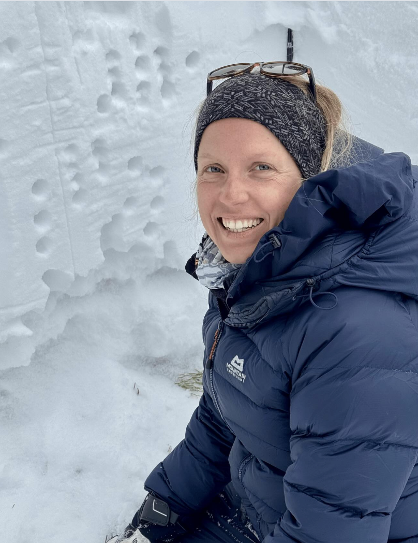
Megan Cramb is a master’s student and AST 1 instructor with Hangfire Training whose research examines the physical properties of slab cohesion and their influence on snow-cover stability. Her ISSW 2026 project addresses the inconsistent terminology often used for soft slabs by developing a practical classification of slab cohesion based on measurable snowpack properties. Using Extended Column and Compression Test results alongside InfraRed Integrating Sphere measurements, hand hardness, and Blade Hardness Gauge observations, Megan is working toward a practitioner-friendly definition and lookup tool that can help distinguish when storm snow is more likely to release as a loose or slab avalanche. The goal is to improve consistency in avalanche reporting, strengthen communication among forecasters and practitioners, and advance understanding of slab development and avalanche formation.
berta aguirre noguera
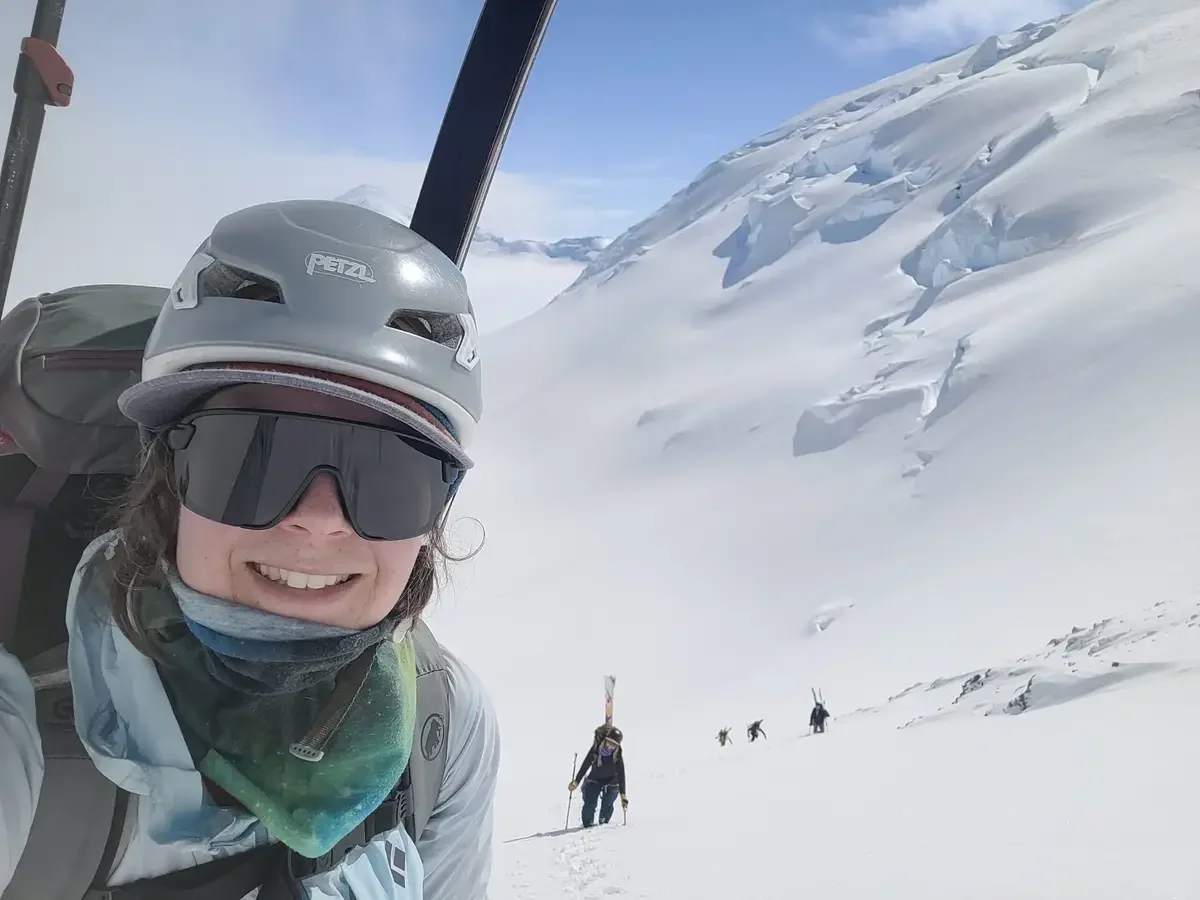
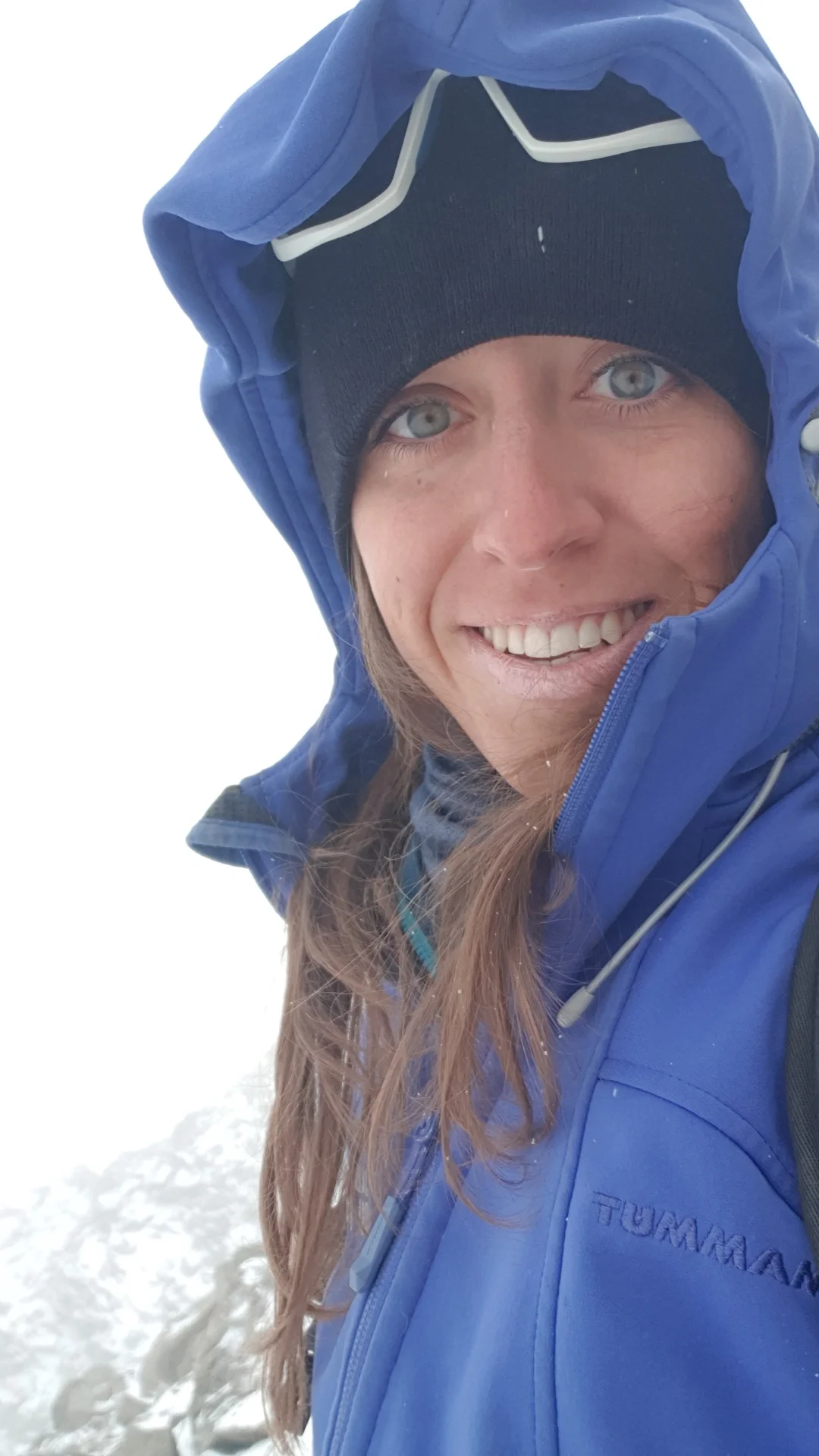
Berta Aguirre Noguera is pursuing PhD research at the National Institute of Physical Education of Catalonia, University of Lleida, focused on avalanche hazard communication and real-world decision-making. Her ISSW 2026 oral presentation introduces a methodological framework for assessing whether backcountry users’ terrain choices align with the spatial avalanche hazard described in public bulletins and how terrain is used as a risk-mitigation strategy. A proof of concept in Andorra combines structured user surveys with drone imagery, GPS tracking, GIS, and statistical analysis to compare forecast hazard, perceived risk, planned routes, and observed movement through avalanche terrain. By linking hazard communication directly to terrain selection and behaviour, Berta’s interdisciplinary research aims to improve understanding of backcountry decision-making and strengthen avalanche bulletins as effective risk-communication tools.