public day speakers
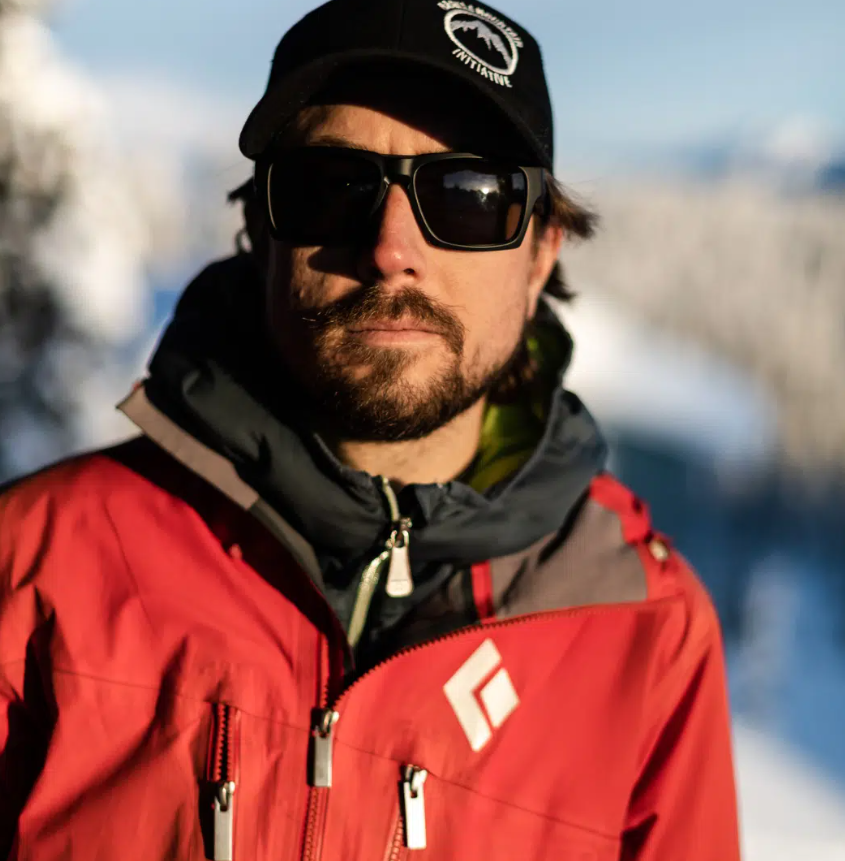
dr. Sara boilen
Dr. Boilen is a psychologist, researcher, and casual mountain athlete based in Northwest Montana. Her work sits at the theoretical confluence of deviant human behavior, personal growth, and decision making. As a forensic psychologist, she spends a lot of time in jail cells and on the witness stand so in her free time she spends as much time as she can on foot or bike in and around the mountains. She, along with Ian McCammon, has recently undertaken a grassroots research project aimed at understanding what recreational users struggle with a need in terms of human factor challenges in the backcountry. They hope that their work will inform new tools and strategies to help backcountry travelers feel better about their decisions, communication, and group dynamics. If you see her on the trail, ask her what’s for dessert; there’s a good chance there’s a piece of cake in her backpack.
presentation - Talk Less, Listen More: Psychological Safety and Candor in the Backcountry
Human factors (particularly maladaptive ones) are relevant, if not potent, in nearly all avalanche accidents. This interactive talk focuses on improving communication, understanding barriers to effective teamwork, and developing practical tools for better group management and decision making. I will cover topics such as how to handle conflict, how to communicate effectively (listening not just talking!), and building strong partnerships. I will also invite audience participation to give folks practical experience rather than just lecture and a slide deck. Attendees will leave with actionable techniques for strengthening both their partnerships and their judgment in complex terrain.
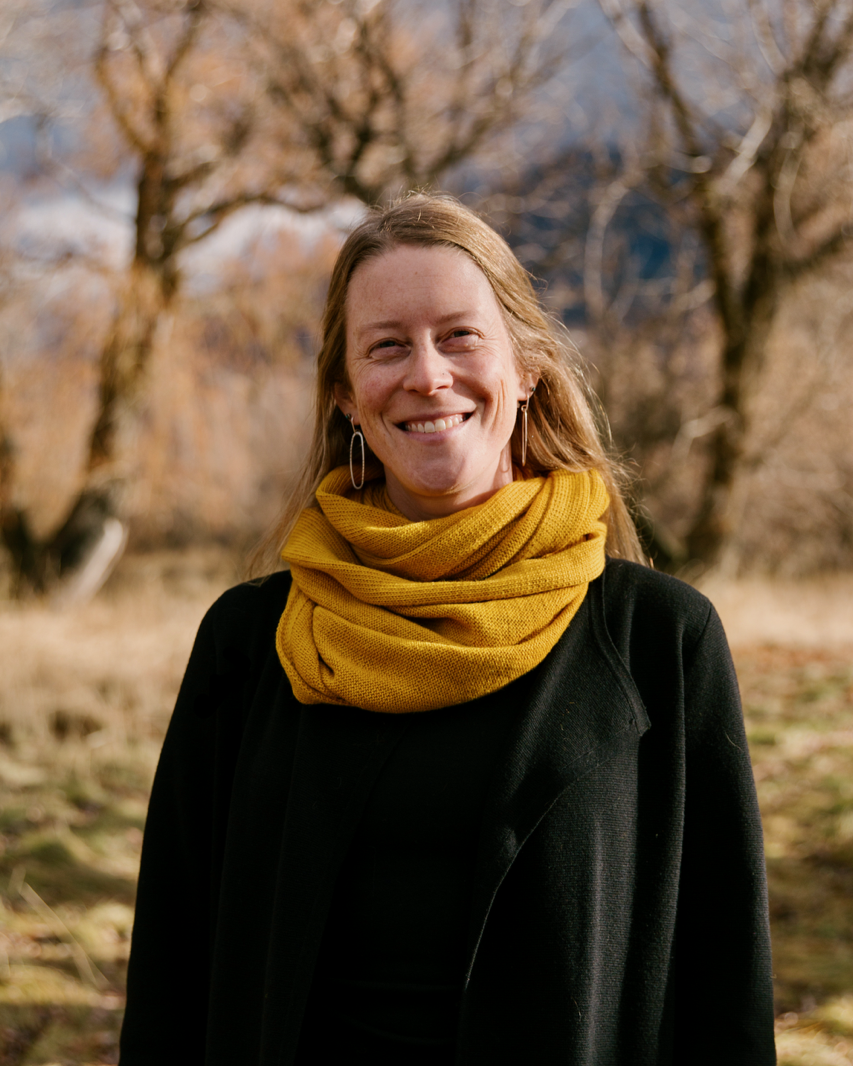
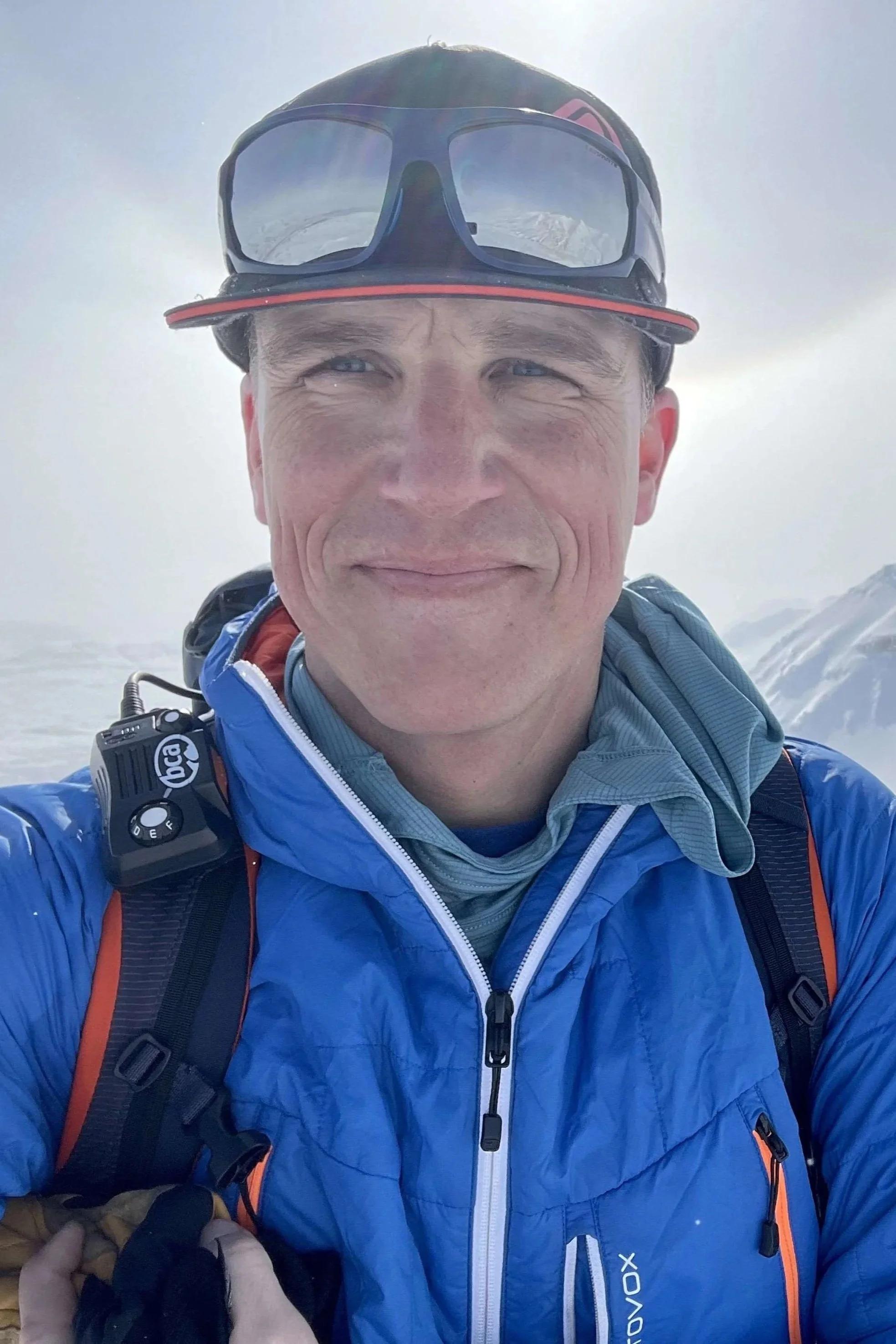
Jerry Isaak & Fred Amyot
Jerry Isaak is an ACMG Ski Guide and an Associate Teaching Professor in the Adventure Studies Department at Thompson Rivers University where he serves as the faculty lead for Ski Touring & Avalanche Education. He is an Advanced Avalanche Educator member of the Canadian Avalanche Association (CAA) and current member of the CAA Board of Directors. As a university professor he has instructed a wide range of campus and field-based courses at both the undergraduate and graduate level. His primary teaching experience is in the areas of expedition planning and leadership, expedition history and culture, backcountry ski touring, and avalanche education. He has taught courses, guided, or led expeditions in mountain ranges throughout western Canada as well as in the United States, Kyrgyzstan, Japan, Nepal, Iceland, Norway, Chile, and China.
Frederick Amyot is an ACMG/IFMGA Mountain Guide and an Assistant Teaching Professor in the Adventure Studies Department at Thompson River University where he serves as the faculty lead for the mountain courses. He is a professional member of the Canadian Avalanche Association (CAA), and an instructor for the CAA Avalanche Industry Training Program (ITP). As a university teacher, he has instructed in a wide range of campus and field-based courses, primary focusing in the area of wilderness travel, natural environment, ski touring, rock and alpine climbing as well as avalanche education. Fred has been guiding in the adventure industry since over 25 years, throughout North America and Europe, in all the mountain disciplines including over 17 years heli-skiing.
presentation - Paying Attention to What Matters: Enhancing Situational Awareness in the Winter Backcountry
This presentation offers participants applicable strategies to focus their attention on what matters and enhance their situational awareness when traveling in winter backcountry environments. These environments present complex and uncertain contexts, where environmental and human factors compete for attention. These attentional demands present a challenge for professionals and recreationalists alike, requiring sustained situational awareness in dynamic, information rich environments. Our challenge is that human capacity for attention is finite and the question of what we should give attention to is inseparable from the question of what we should decline to give attention to.
Short version: This presentation offers participants applicable strategies to focus their attention on what matters and enhance their situational awareness when traveling in winter backcountry environments.
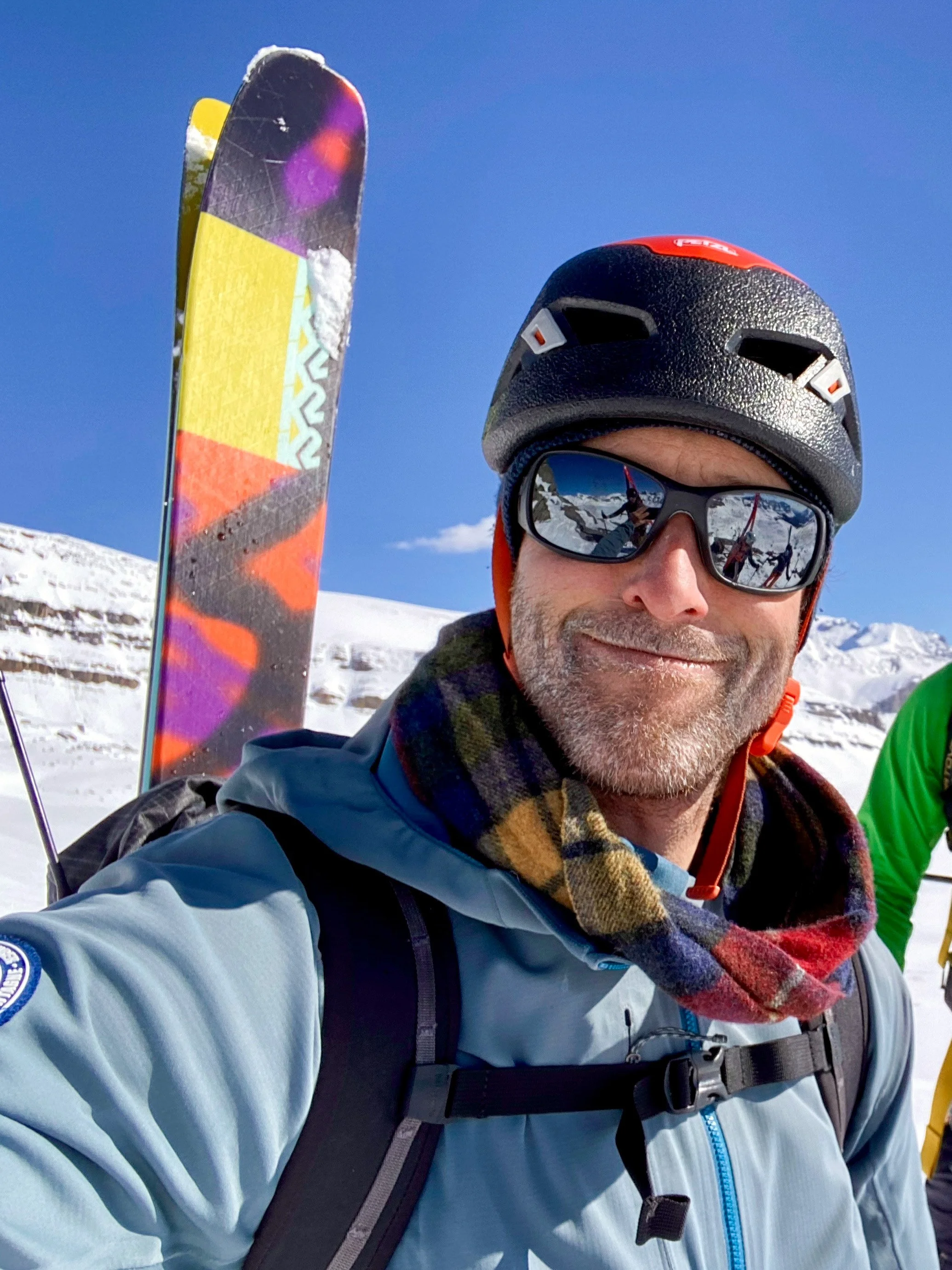
Julie cossette
Originally from Quebec, I moved to the Yukon in the early 2000’s where I started patrolling and a passion for backcountry skiing. I eventually made my way to Pemberton and started patrolling on Whistler and became part of the snow safety team. After ten years at Whistler, it was time for a change and got on the Brucejack mine Mountain safety team. On my time off you can find me ski touring the Duffey Lake Road or volunteering with Pemberton Search and Rescue.
presentation - Paths to a career in the avalanche industry
I am often asked how I began working in the avalanche industry and what qualifications are required to enter this field of work. This presentation will outline key early-career pathways, including essential training, certifications, and experience. It will also provide an overview of the CAA ITP course progression for advancing to higher competency levels. The content is designed for individuals interested in starting a career in the avalanche industry, particularly those with little or no prior experience.
andy moderow
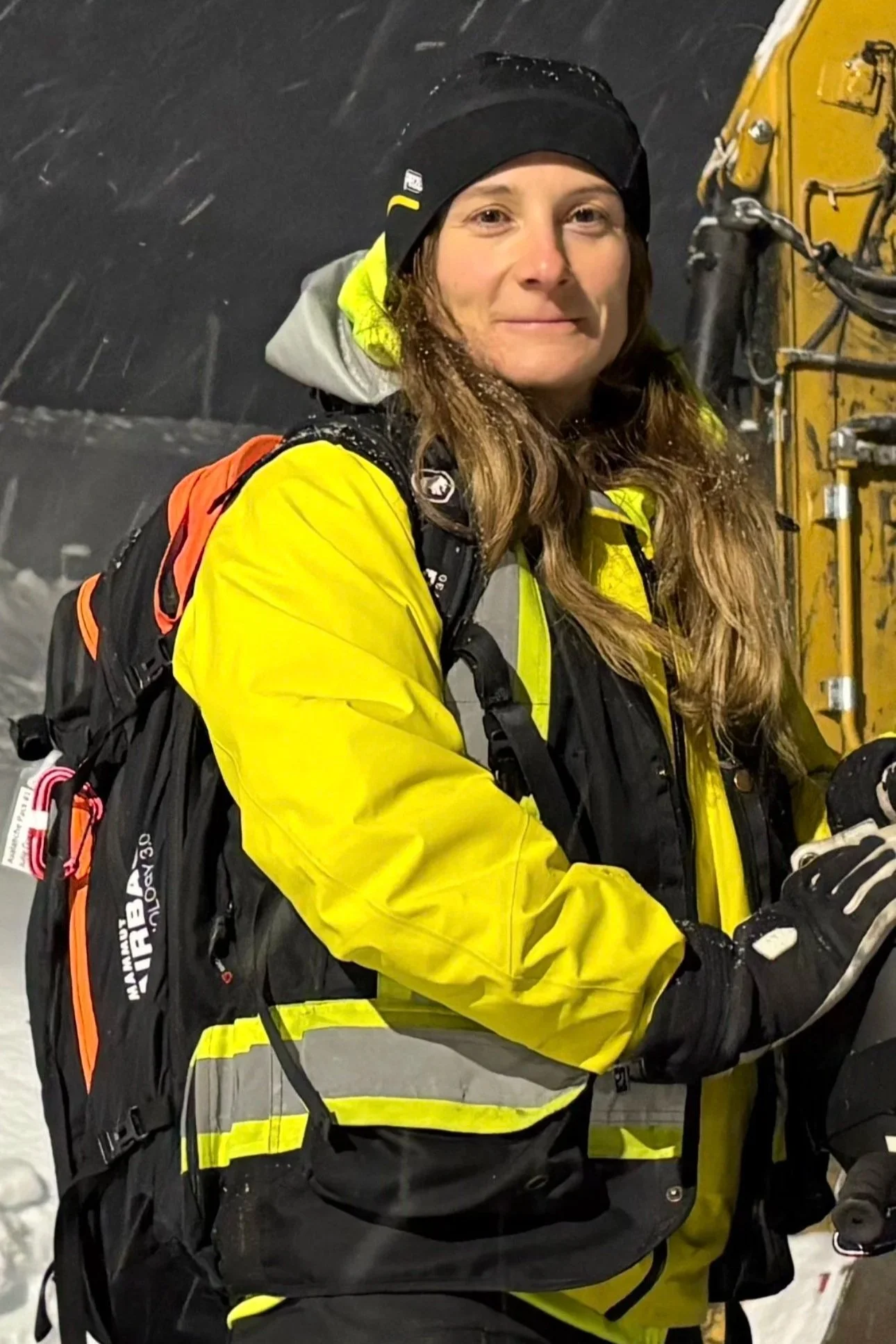
Andy Moderow is based in Anchorage, Alaska, and has been a member of the board of directors for the Alaska Avalanche School since 2013, currently serving as board president. He is a longtime volunteer, observer, and former intern with the Chugach National Forest Avalanche Center. In 2023, he taught Snow Science I as an adjunct at Alaska Pacific University, and his recent ISSW research includes papers on crust/facet instability and the importance of stability test craftsmanship.
presentation - Crusts and Facets: A Recipe for Long-Term Issues
When a crust forms on a winter snowpack, the impact to future avalanche conditions is highly uncertain. Occasionally a crust/facet combination contributes to multiple avalanche cycles, taking place over weeks or months. Other times a crust may never even contribute to even a single avalanche. This range of possibilities presents numerous avalanche forecasting challenges, including message fatigue in public advisories and difficulty for recreational users when evaluating stability in the field.
This presentation reviews several notable avalanches associated with “problem crusts” in Alaska and western Canada. It then provides highlights from three decades of prior crust research - presented at ISSW and elsewhere - in a search for potential indicators of long-term, crust related instability. Finally, it shares insight from recent research that tested several indicators on nine seasons of substantial crusts in Southcentral Alaska. The takeaways suggest caution when interpreting stability test results, the utility of tracking crust burial depth in the weeks after a crust forms, and the benefits of carefully tracking snowpack structure near crusts over time.
Jeremy Henke & Sheena Thomas
Jeremy Hanke is a professional athlete, avalanche survivor, and mountain professional with more than 25 years of backcountry experience. After surviving a Size 3 avalanche, Jeremy turned a life-changing event into a mission to make motorized mountain travel safer, smarter, and more practical for riders. He is the Founder and CEO of Soul Rides, Executive Director of The SKADI Foundation, and lead force behind Mountain Stash Adventures. His work blends avalanche education, survival training, guiding, mentorship, and real-world mountain experience. Jeremy’s qualifications include Avalanche Operations Level 2, Occupational First Aid Level 3, Wilderness First Responder, AIARE Lead Instructor, Avalanche Canada Lead Instructor, AAA Professional Member, CAA Avalanche Professional, and CMBGA Lead Guide.
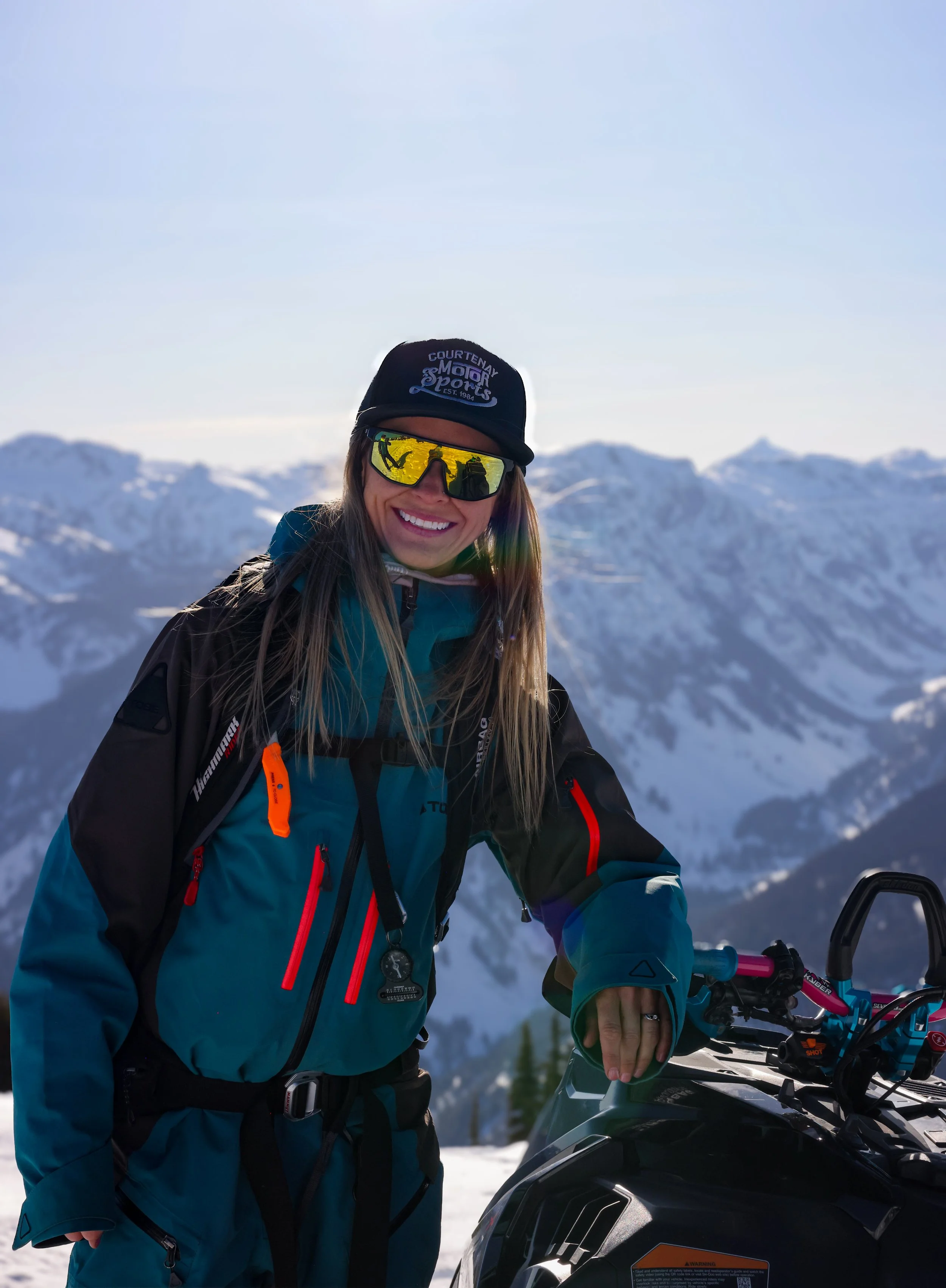
Shena Thomas is a big mountain snowmobiler, avalanche professional, and medical responder with more than a decade of experience in the mountains. Her background brings together strong riding ability, emergency medical training, and practical backcountry judgment — a combination that gives her a calm, capable presence in serious mountain environments. Known for her steady leadership and no-ego approach, Shena brings confidence, skill, and real-world experience to the field. She is respected not only for how she rides, but for how she carries herself as a professional in the backcountry. Her qualifications include Paramedic, Wilderness First Responder, Canadian Avalanche Association Avalanche Professional, and Canadian Motorized Backcountry Guides Association Lead Guide.
presentation - avalanche rescue at speed
Motorized avalanche rescue procedures address the unique challenges faced by snowmobile and snow bike riders during a companion rescue. Speed, distance, machines, noise, electronic interference, and group separation can quickly create confusion. This presentation looks at scene organization, role clarity, communication, and a structured motorized response to help riders act faster and more effectively when it matters most.
matt mcdonald
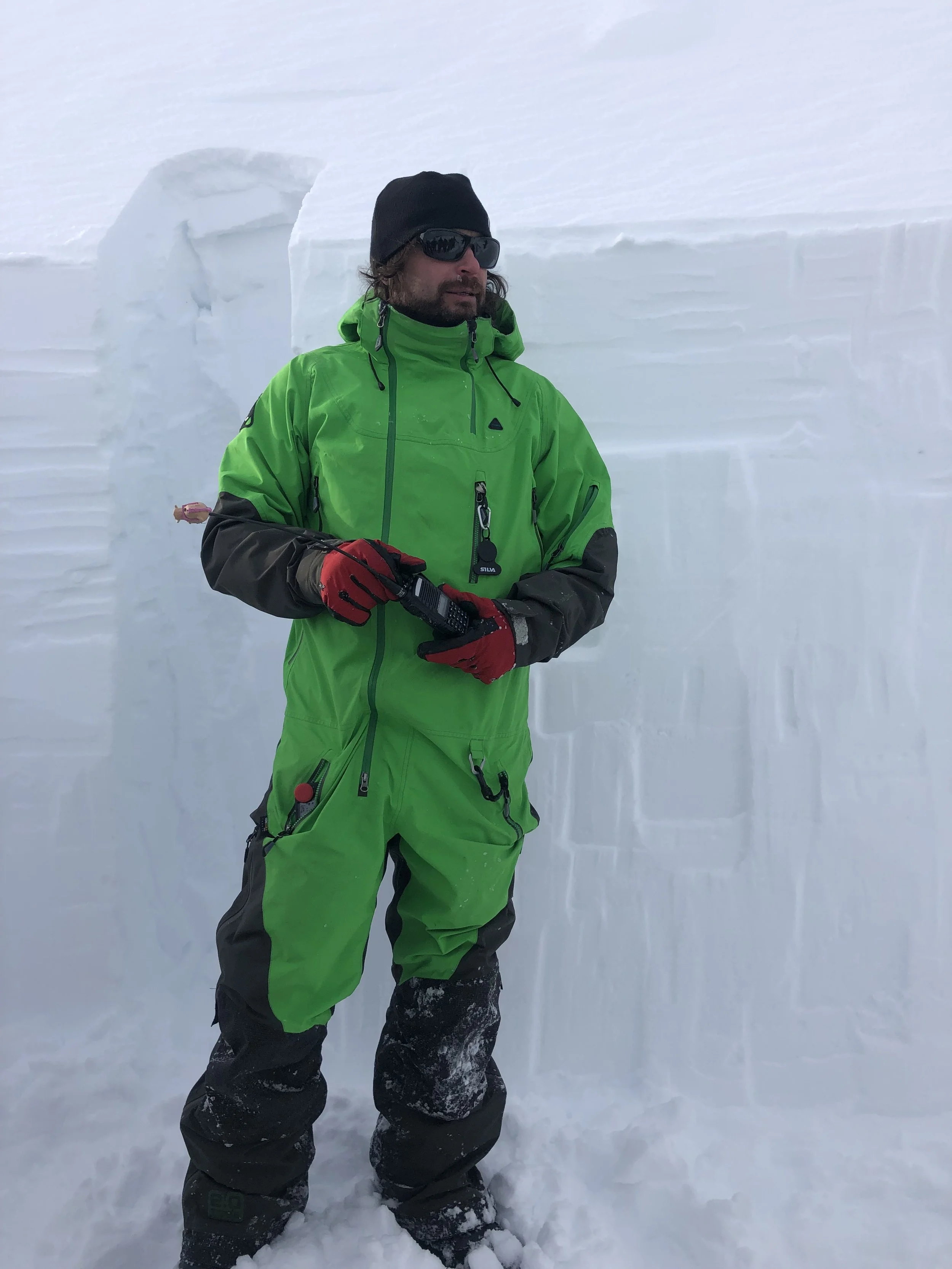
Matt is a professional meteorologist based in Nelson, BC. Originally from Montreal, he began his avalanche career by completing his CAA Ops Level 1 in the Chic-Choc Mountains with Avalanche Quebec in 2007. Since then, he has been supporting AvQ’s public avalanche bulletin program with custom alpine forecasts. Matt worked as an Environment Canada Operational Forecaster specializing in mountain meteorology before becoming a Warning Preparedness Meteorologist. In his role, he was the main ECCC liaison with Avalanche Canada and was one of the creators of the Avalanche Canada Mountain Weather Forecast. Today, Matt is the Weather and Climate Specialist with the BC Ministry of Transportation and Transit’s Avalanche and Weather Program. He also supplies various mechanized and industrial operators with custom weather training and forecasts through his consultancy Alpine Weather Consultants.
Matt has taught over 35 Industry Training Program Introductory and Advanced Weather courses and is an Avalanche Practitioner Member of the Canadian Avalanche Association. Matt served the CAA Board of Directors for six years as a board member. When not staring at screens and tracking millibars, he can be found skiing the Selkirks with his kids or sneaking out for a soulful splitboard tour.
presentation - what’s up with our wacky weather?!
From Heat Domes to Arctic Vortexes and Arctic Outbreaks to Atmospheric Rivers, western Canada has seemingly been observing an increased frequency of high impact weather events. This talk will take a meteorological look at the 2021 Heat Dome, the 2021 and 2025 Atmospheric Rivers which struck southern BC, and explore how these extreme weather events may be changing, both in intensity and frequency. The presentation will conclude with an update on the forecast "Super El Nino" and what that might mean for the 2026-27 winter season in western Canada.
tyson rettie
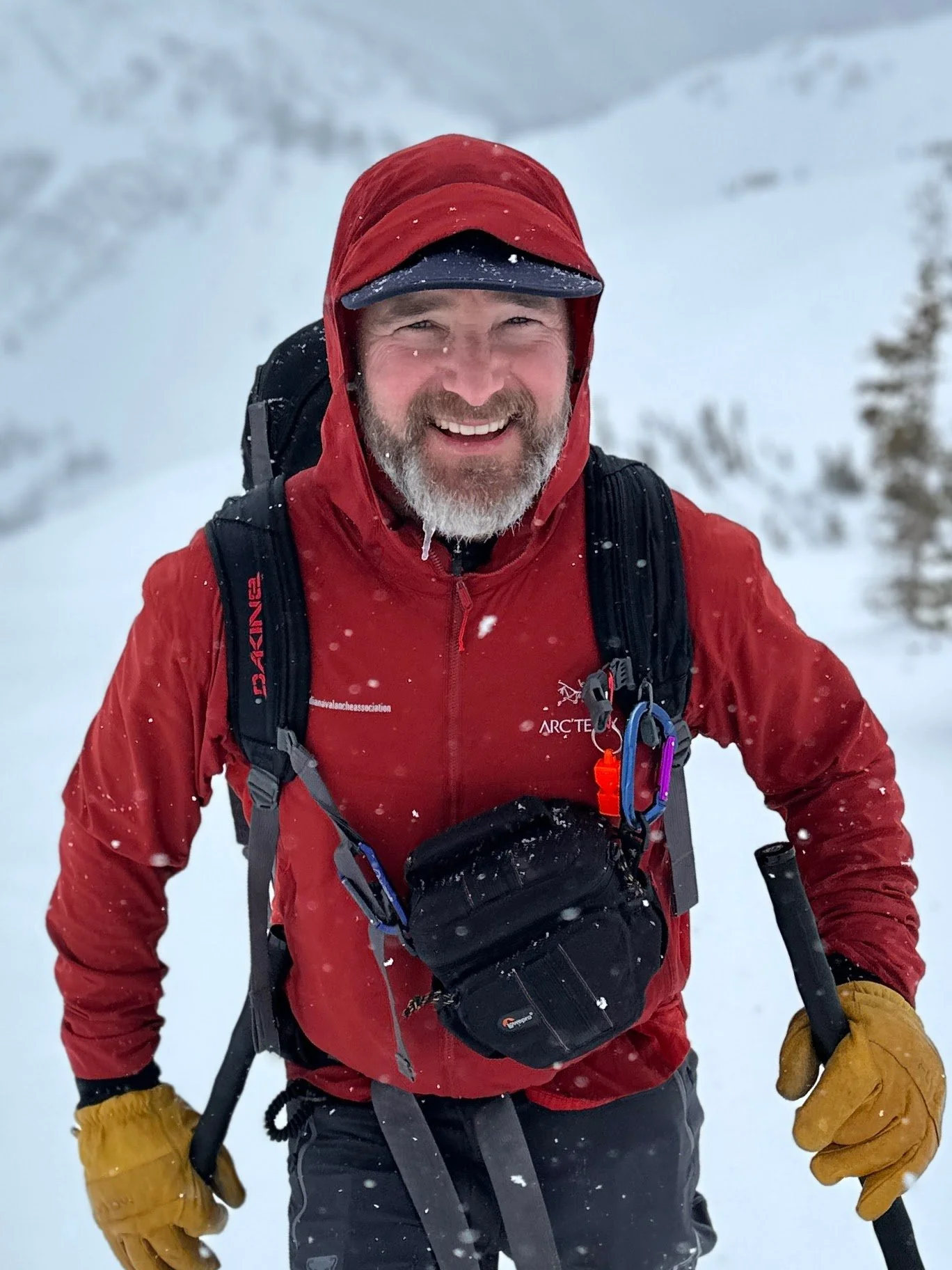
Tyson Rettie is a public forecaster with Avalanche Canada as well as a ski guide and avalanche professional with extensive experience working in complex winter mountain environments in Canada, Australia, and China. He is the founder and president of Braille Mountain Initiative, a registered charity dedicated to empowering blind and visually impaired people through backcountry skiing, hiking, and avalanche education. Tyson is involved in professional development, risk management, and education within the avalanche and guiding industries.
presentation - Behind the Avalanche Forecast: The Workflow, Data, and People Keeping You Informed
How are public avalanche forecasts written? Why must they be written for the Sea to Sky by someone in Revelstoke and how do they know what’s going on over here? This presentation seeks to pull back the veil on public avalanche forecasting.
We’ll discuss what a day in the life of a forecaster looks like, important data sources in the Sea to Sky corridor, and how the team at Avalanche Canada strives to make its products accessible to all users.